.png)


.svg)

A growing European linkbuilding agency managing publication workflows for multiple SEO clients across different industries.
The agency manages:
• dozens of active monthly campaigns
• multiple managers and copywriters
• large websites databases
• recurring publication workflows
• ongoing client approvals and billing
As the agency scaled, operational coordination became increasingly difficult.
As the business grew, operations became fragmented and difficult to control:
• websites were managed across spreadsheets and documents
• approvals happened manually through chats and emails
• managers became overloaded with operational coordination
• publication statuses were difficult to track
• clients constantly requested updates manually
• invoices and workflows were managed separately
• communication between managers and copywriters created delays
This resulted in:
• high operational workload
• slower publication delivery
• communication mistakes and missed tasks
• lack of visibility across campaigns
• heavy dependency on managers
• operational bottlenecks limiting growth
The agency was approaching a point where scaling further would require hiring more managers — without solving the core operational problem.
The agency needed a system that would:
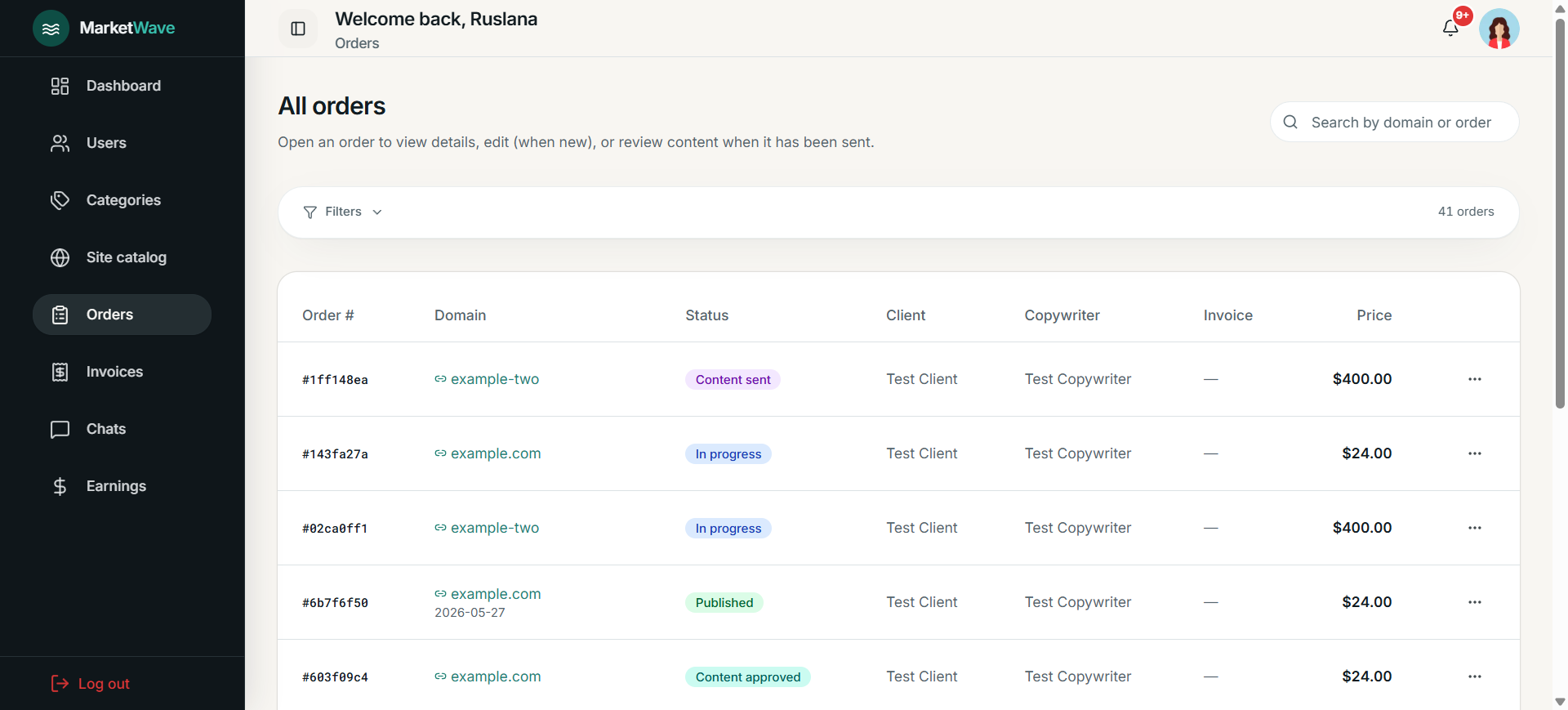
• centralize websites, orders and publication workflows
• automate approvals and internal coordination
• reduce dependency on manual communication
• improve visibility across campaigns and statuses
• simplify billing and operational tracking
• reduce operational workload for managers
• enable growth without proportional team expansion
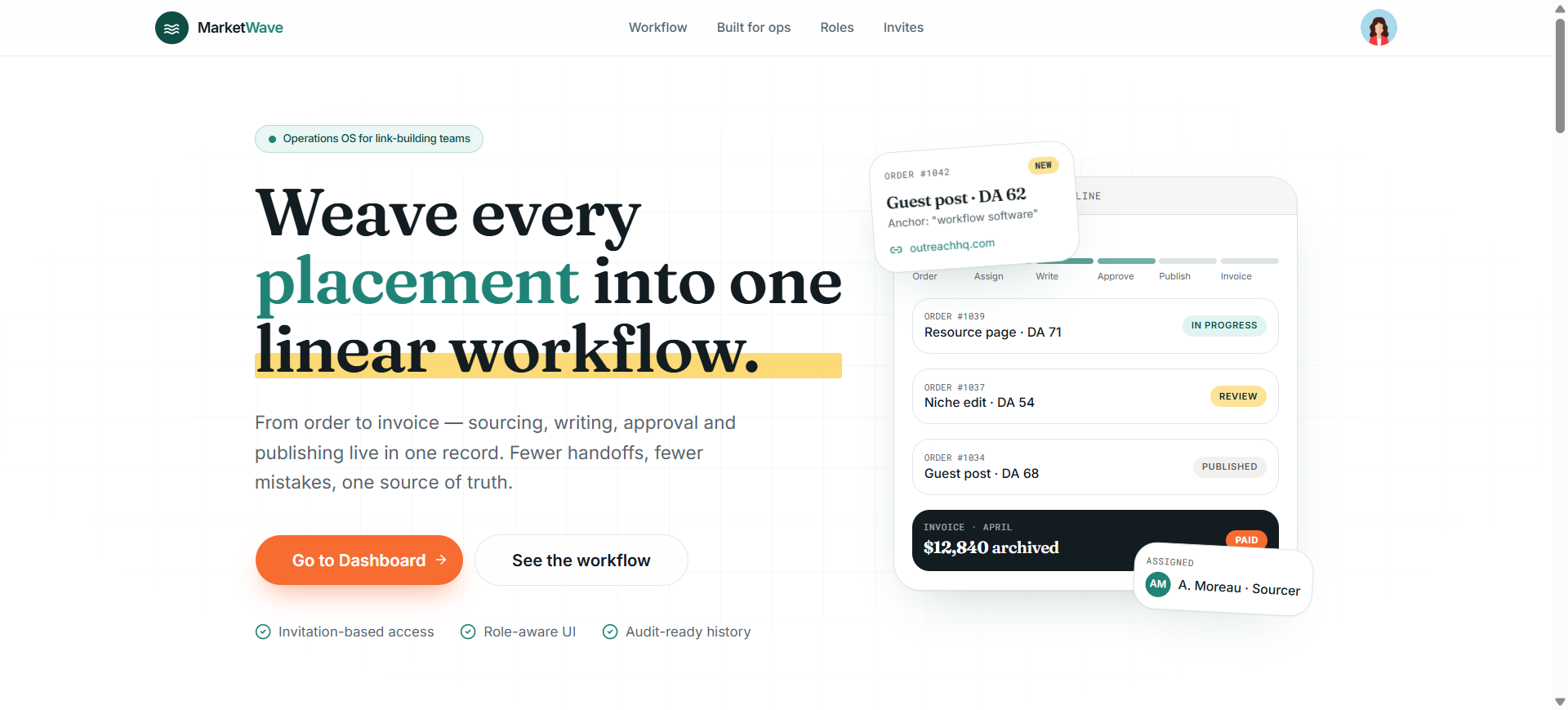
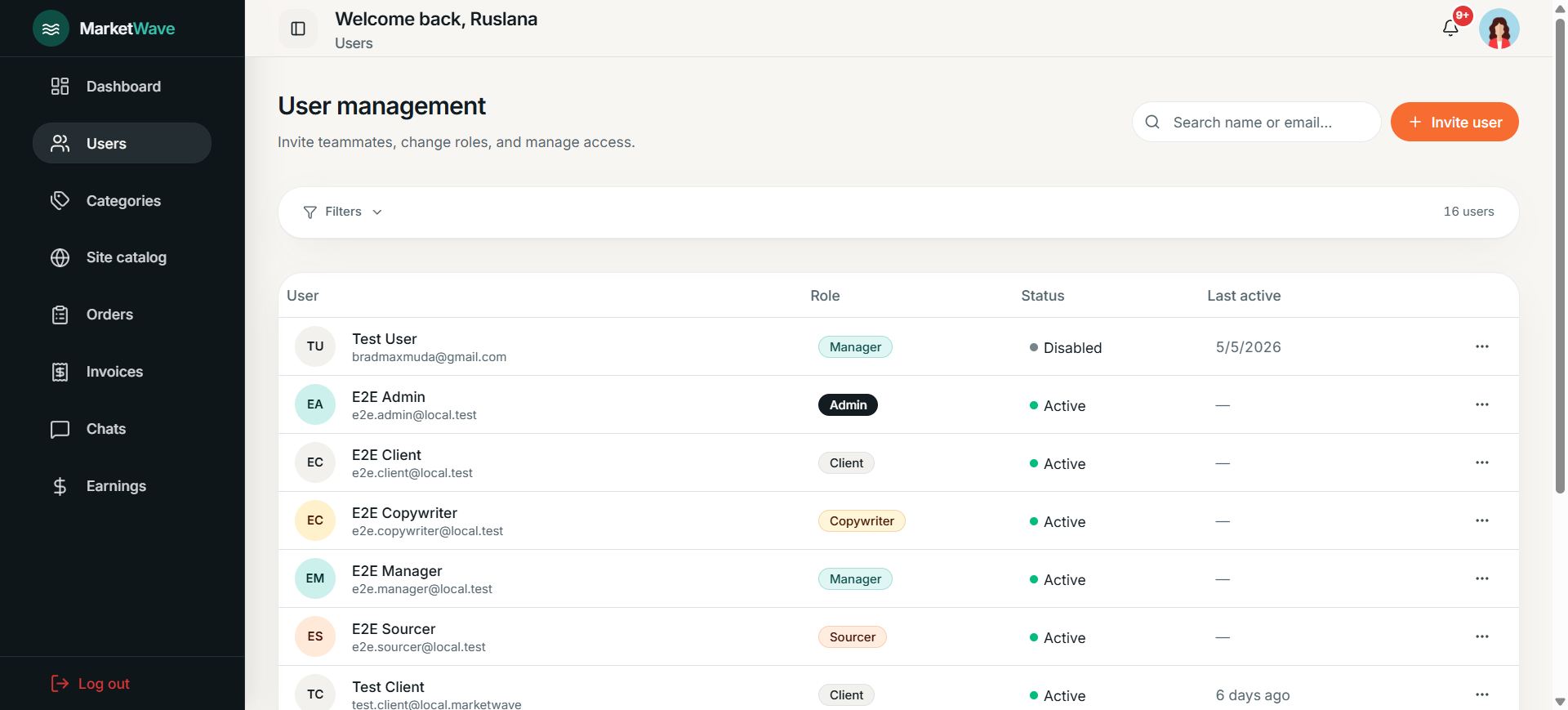
We designed and built a custom operational platform tailored to the agency’s internal workflows.
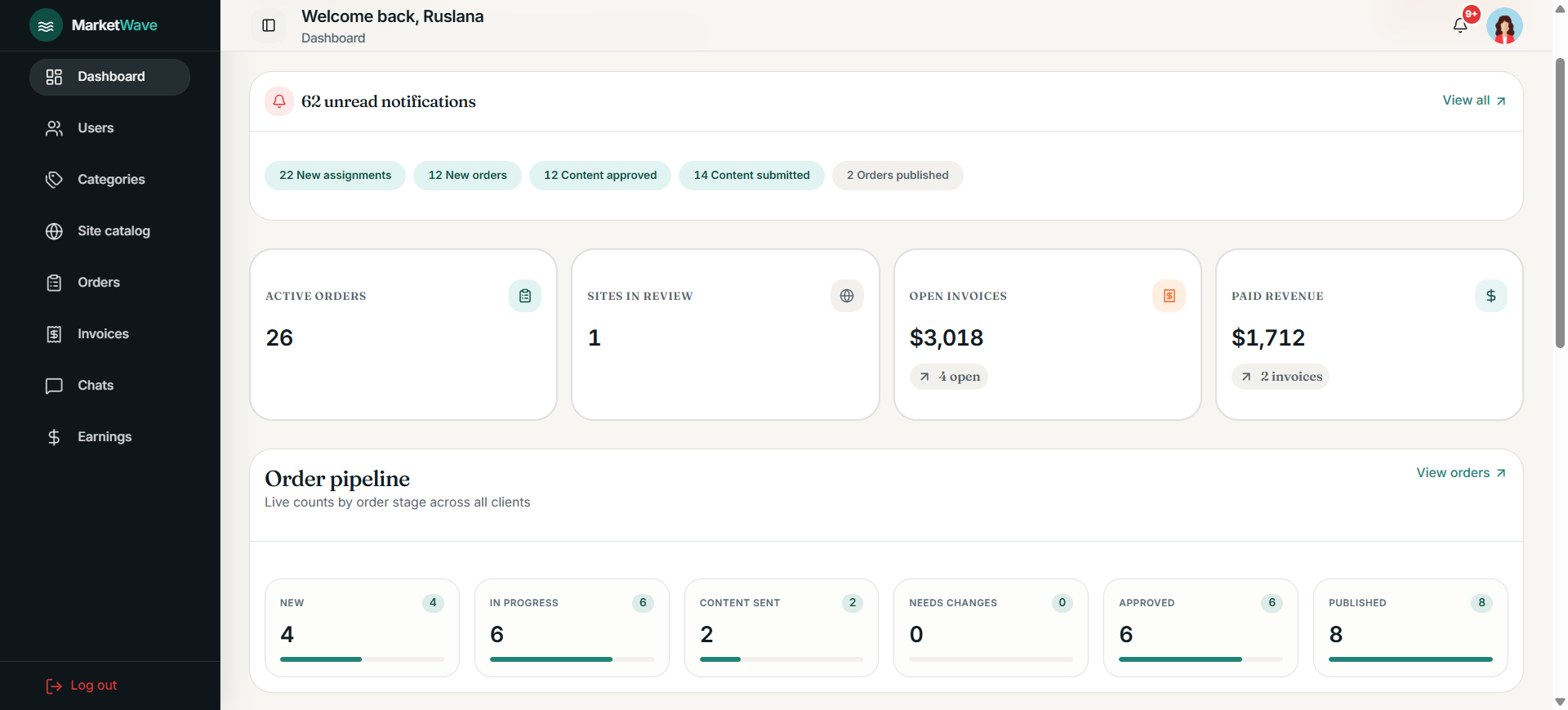
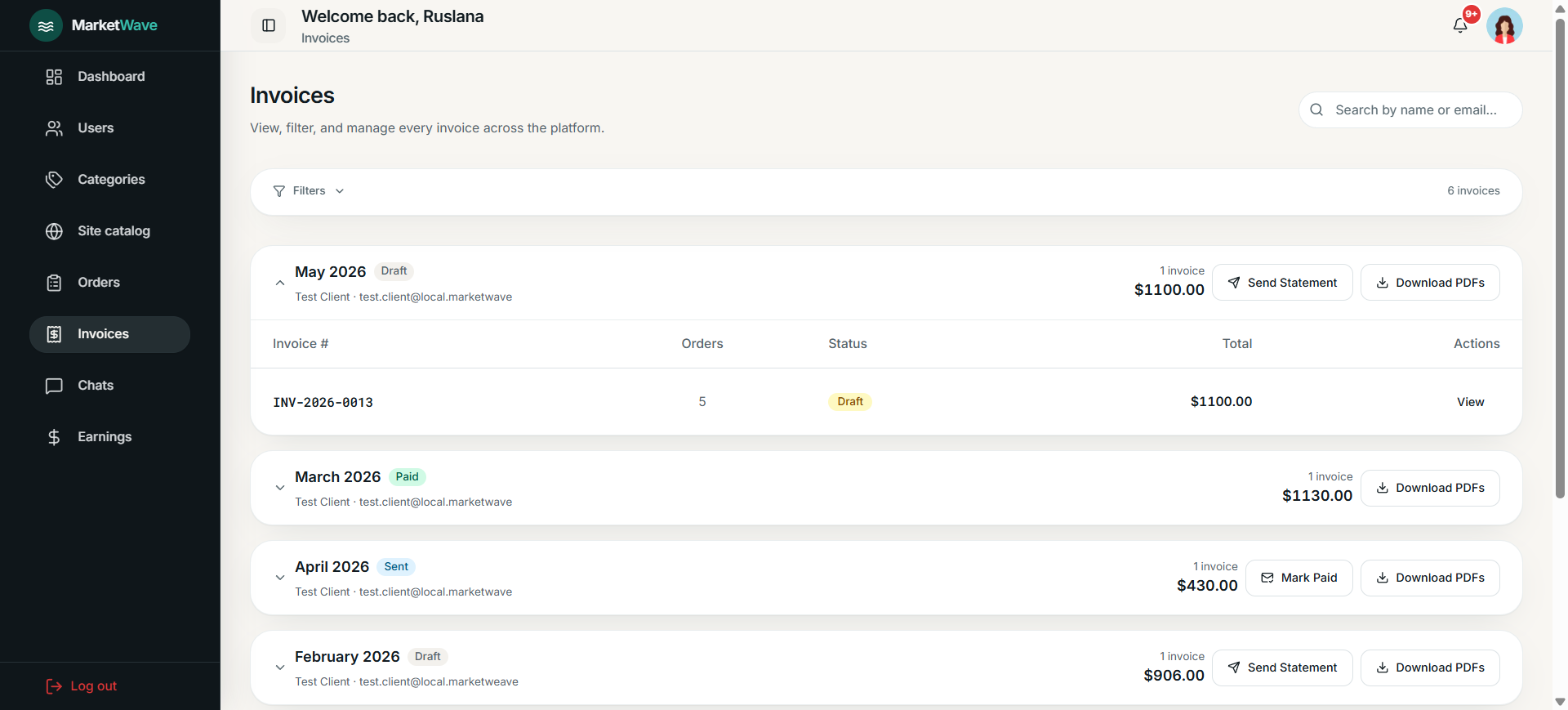
The system unified websites management, publication workflows, approvals, billing and operational coordination into one environment.
Core modules:
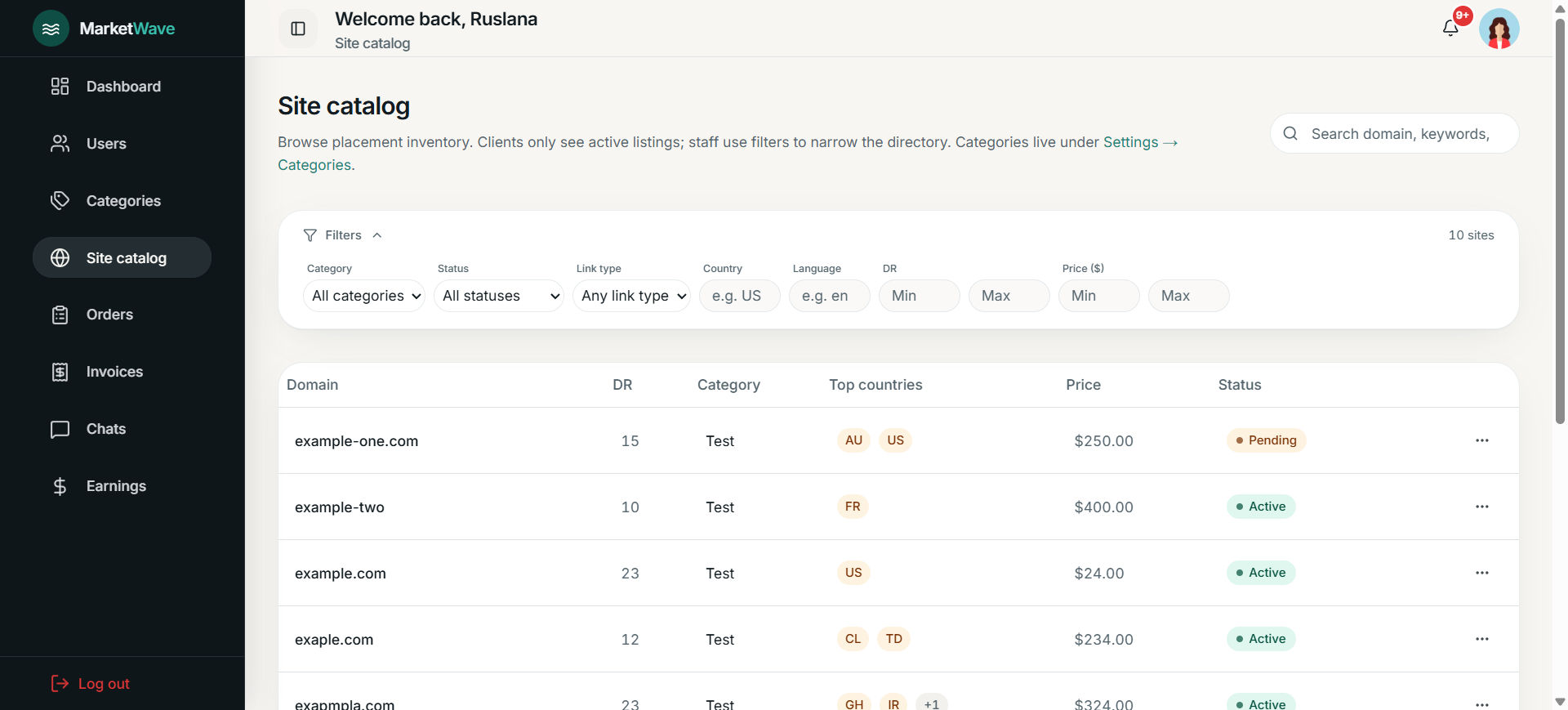
• centralized websites database
• client portal for publication selection
• structured publication workflow management
• copywriter workspace and approval flows
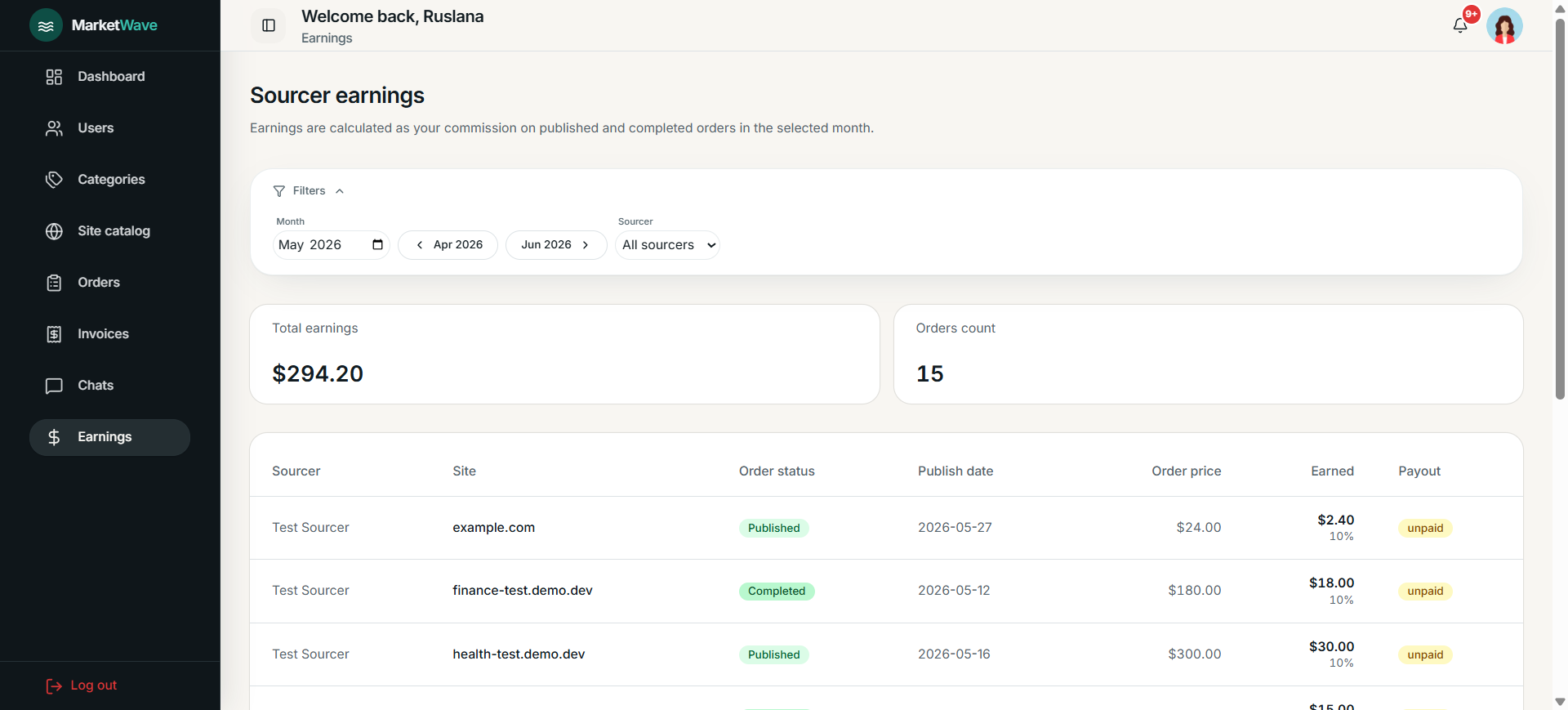
• manager dashboard with operational tracking
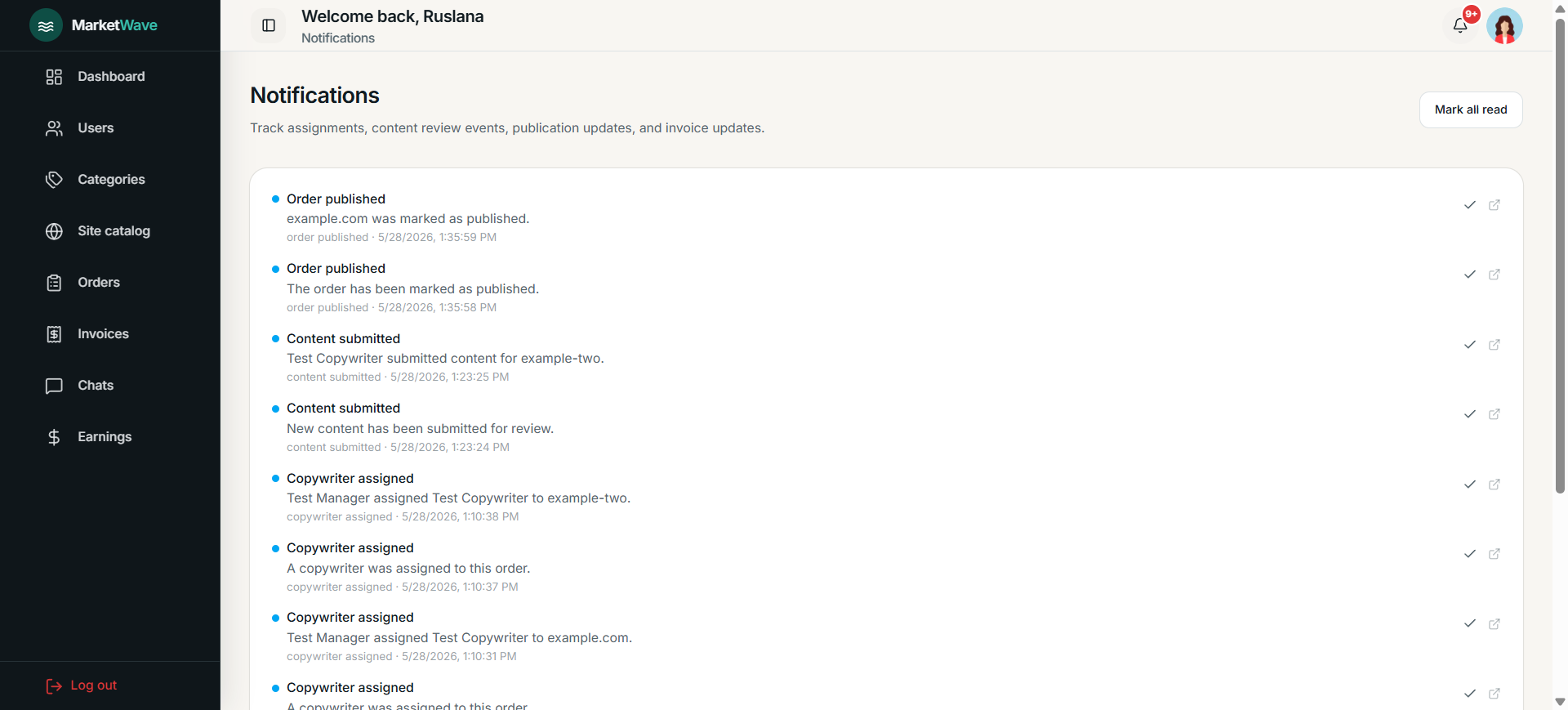
• automated status tracking and notifications
• invoices and billing management
• role-based access and permissions
• operational analytics dashboard
Technology used
• Next.js • Vercel • Supabase
• spreadsheets across workflows
• manual publication coordination
• approvals in chats and emails
• fragmented operational visibility
• manual status tracking
• high manager dependency
• centralized operational system
• structured publication workflows
• built-in approval process
• shared visibility across teams
• automated tracking and notifications
• reduced operational bottlenecks
• 50%+ reduction in manual operational coordination
• Faster publication delivery and approvals
• Reduced communication mistakes and missed tasks
• Better visibility across campaigns, publications and statuses
• Managers spent less time coordinating routine operations
• Agency scaled workflows without proportional hiring
• Owners shifted focus from operational management to business growth
.png)
40% higher efficiency
85% fewer manual errors
better visibility
faster decisions


.svg)
.svg)
.svg)
.svg)

.svg)

.svg)